

National Food Reserve Agency
The National Food Reserve Agency (NFRA) was established in 1999 to manage the country’s maize reserves through silos and multipurpose warehouses so that Malawi remains a food secure nation and averts any hunger situations.
The core mandate of NFRA is to procure, store and release grain in line with drawn procedures and also make stocks accessible at short notice for emergency relief and social safety net purposes.
NFRA undertook Operational Reforms as part of the Malawi Public Sector Reforms Programme which was launched in February 2015 by His Excellency President Professor Arthur Peter Mutharika.
Dedicated Repairs Plan
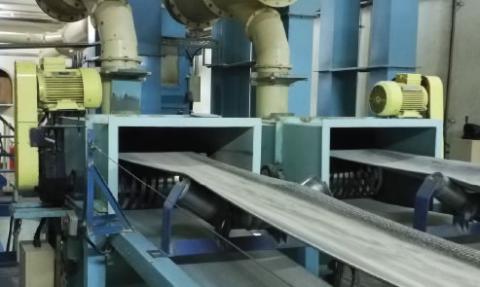
NFRA undertook a rigorous dedicated repairs programme of the Kanengo Silos using locally available resources.
Using its in-house engineering staff, NFRA embarked on comprehensive rehabilitation of the Kanengo Silos’ Plant’s mechanical and electrical systems which saw the inspection and rehabilitation of seventy six (76) Electric Motors; one hundred and eight (108) Pulleys; nine (9) chain conveyors, eight (8) rotary feeders fan cyclones; twenty six (26) belt conveyors, seventy three (73) gear boxes, four (4) maize conduits, ten (10) bucket elevators, six (6) stacker machine chains, ten (10) bag weighing scales, two (2) air compressors, three (3) belt conveyor trippers, thirty (30) side rubbers for belt conveyors and nine (9) sewing machines.
Achievements
- Following the rehabilitation at the Kanengo Silos, NFRA has greatly improved its efficiency and is able to receive up to 1,900.00 metric tonnes of maize in a single day which is double the number before the reforms.
- The plant’s down time (machine breakdown) has greatly reduced following the reforms with the 2015/16 financial year recording 256 hours of down time whilst the 2017/18 financial year registered only 19 hours of down time.
- The Agency saved a lot of money both locally and internationally by providing a local solution as compared to importing spare parts and expertise from outside the country. Approximately K40 million was used during the entire reform process compared to what could have been required if new equipment and external expertise could have been used which was estimated to over K1 billion.
- As a result of the reforms, NFRA also went through a tremendous mind set change and developed confidence and ownership amongst its staff members that nothing is impossible. There was a lot of multi-skilling for the engineering staff whereby electrical technicians participated in the mechanical rehabilitation and vice versa.
- Following the repairs plan, NFRA is also able to timely release maize meant for emergency situations or di-sasters across the country.
Looking at the reforms initiated and progress registered, National Food Reserve Agency has done a very commendable job in undertaking its reforms.
Feedback: opcreforms@gmail.com
Add new comment